
India's long-term economic ambition is increasingly being linked with a stronger export base, global market access and greater participation of Indian businesses in international trade.
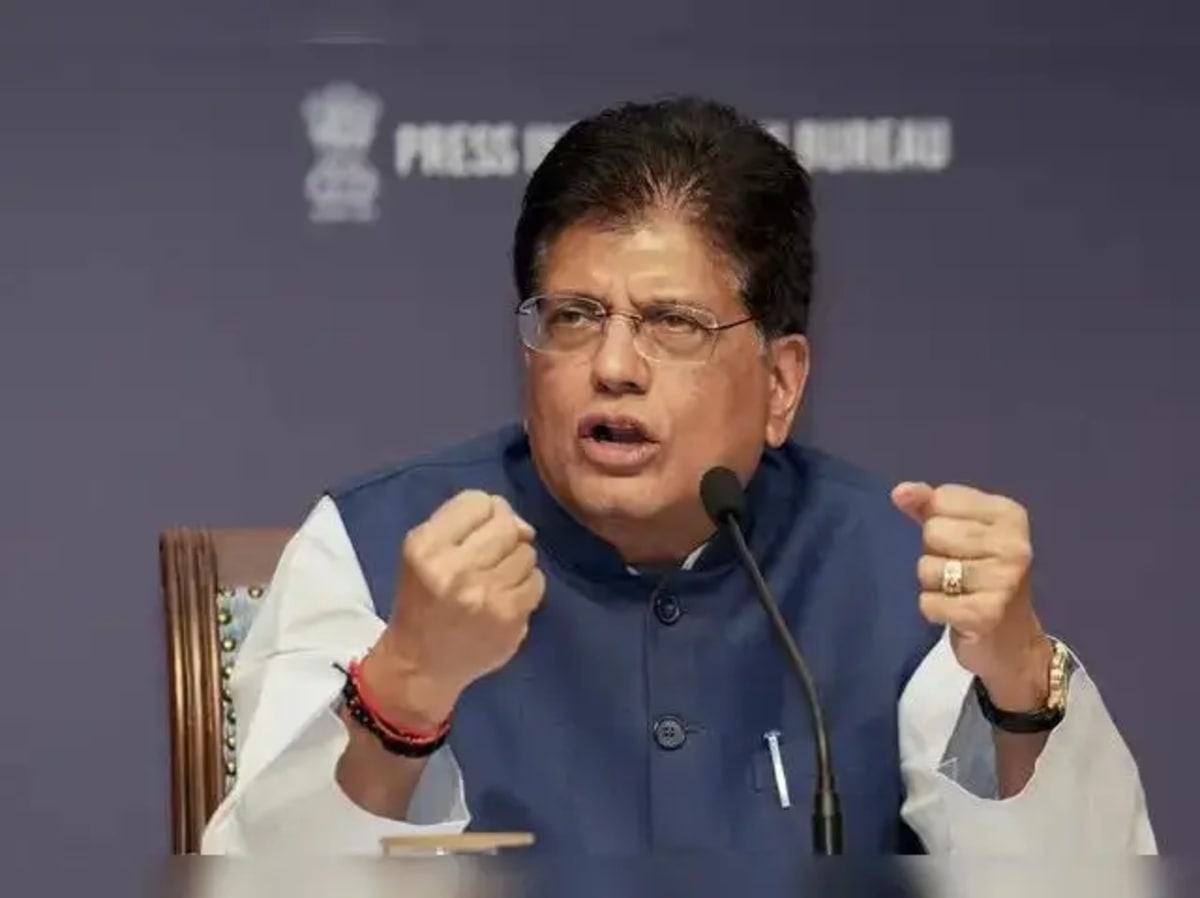
Addressing the inaugural Bharatiya Vyapari Mahotsav 2026 in New Delhi on Wednesday, Union Commerce and Industry Minister Piyush Goyal said India's vision of becoming a $30 trillion economy by 2047 presents a major opportunity for businesses across the country.
Editorial Insight
Key Highlights
Important points readers should notice.
Piyush Goyal highlighted India's $30 trillion economy vision for 2047. India's total exports reached a record $863.1 billion in FY2025-26.
Merchandise exports stood at $441.8 billion. Services exports reached $421.3 billion.
India is targeting $1 trillion in total exports during FY2026-27. Total exports have risen from $468 billion in FY2014-15 to $863.1 billion in FY2025-26.
The government is promoting FTAs and greater international market access.
Goyal urged Indian businesses and citizens to adopt fair trading practices and make greater use of recycling and reuse, while promoting a circular economy.
He also called for Indian products and services to reach more international markets, arguing that the country's expanding trade relationships can create new opportunities for manufacturers, exporters, MSMEs and service providers.
India’s Export Story Is Getting Bigger
Editorial Analysis
Why This Matters
The $30 trillion vision is ultimately about much more than a GDP number. For that target to become achievable, India would need sustained expansion in manufacturing, services, exports, investment, productivity and employment over the next two decades. Exports will be particularly important because global markets can give Indian companies room to scale beyond domestic demand.For MSMEs and smaller manufacturers, better access to overseas markets could also create opportunities to become part of international supply chains. At the same time, India's export ambitions will face challenges from global trade tensions, tariffs, logistics costs, competition and changing consumer demand.
The scale of India's export economy has changed considerably over the past decade.According to the Commerce Ministry, India's total exports increased from $468 billion in FY2014-15 to $863.1 billion in FY2025-26. Merchandise exports rose from about $310 billion to $441.8 billion, while services exports increased from $158 billion to $421.3 billion over the same period. The latest figure represents India's highest-ever annual export performance.
The government has now set an ambitious target of taking total exports to $1 trillion in FY2026-27. Goyal has previously described the export target as a national mission and highlighted the role of businesses, states, MSMEs and exporters in achieving it.
FTAs and Global Market Access
Another important part of India's strategy is expanding access to overseas markets through Free Trade Agreements (FTAs).
Goyal has highlighted India's recent trade agreements with developed economies as an opportunity for Indian companies to compete in larger markets.
The Commerce Ministry says recent agreements and trade initiatives are aimed at improving market access, diversifying India's export destinations and helping Indian businesses integrate more deeply into global value chains. For exporters, however, market access alone is not enough. Indian businesses also need to compete on quality, price, delivery reliability, technology and compliance with international standards.
That is where the minister's emphasis on productivity, fair trade and sustainable business practices becomes important.
Circular Economy Becomes Part of the Business Opportunity
Goyal also urged businesses to focus on recycling and reuse and move towards a circular economy.
The idea is not limited to environmental benefits. Recycling, resource efficiency and reuse can also create new commercial sectors around waste management, sustainable manufacturing, repair, recovery and resource-efficient production.
For Indian companies seeking global markets, sustainability is increasingly becoming part of the competitiveness equation.