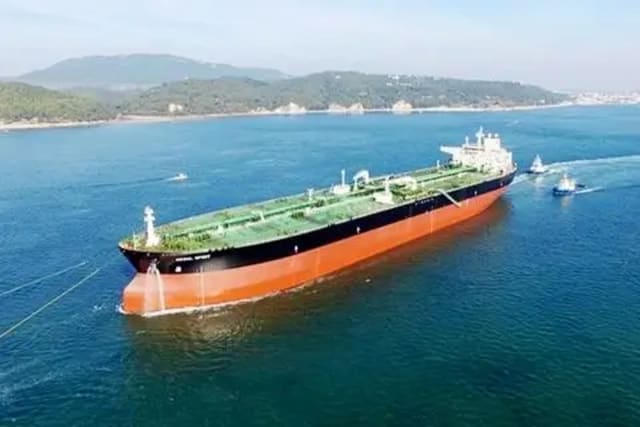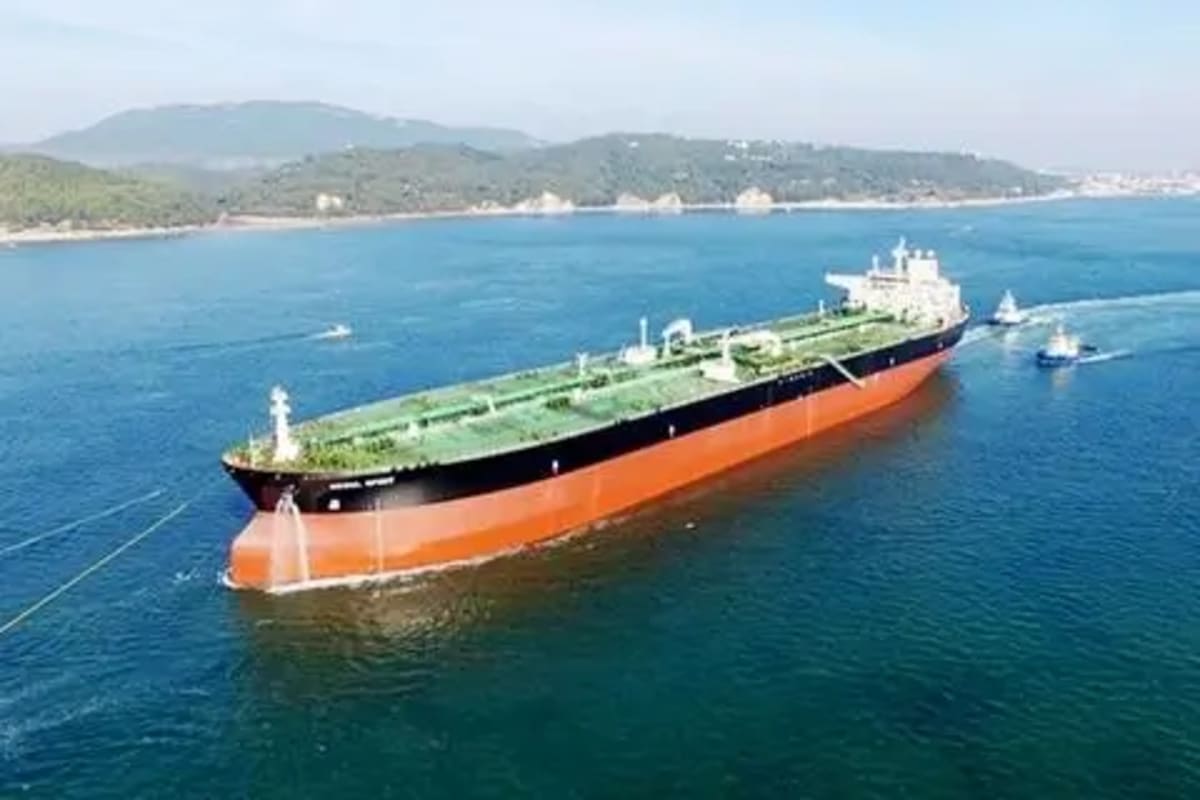

Iran has blacklisted 11 additional vessels transiting the Strait of Hormuz, citing what it described as non-compliance with Iranian protocols governing passage through the strategically important waterway.
The latest additions have taken Iran's Non-Compliant Vessels list to 56, according to the Persian Gulf Strait Authority (PGSA), which announced the update on Wednesday.
Editorial Insight
Key Highlights
Important points readers should notice.
Blacklist expands: Iran has added 11 vessels to its non-compliance list.
Maritime pressure: The move reflects increasing scrutiny of commercial shipping through Hormuz.
US enforcement: Washington is simultaneously carrying out maritime intervention under its blockade.
Shipping uncertainty: Vessel operators are facing a more complicated and potentially risky operating environment.
Strategic chokepoint: Developments in Hormuz have implications beyond the region because of the waterway's importance to global trade and energy shipments.
The authority said vessels that violate Iranian protocols while passing through the Strait of Hormuz could face restrictions on future transit. Possible measures include fines, detention or confiscation, depending on the nature of the alleged violation.
The move comes amid heightened tensions surrounding maritime traffic through the Strait of Hormuz, one of the world's most important shipping routes and a key passage for global energy supplies.
Iran has increasingly focused on regulating vessels operating in or passing through waters under its jurisdiction as military tensions in the region continue to affect commercial shipping.
Editorial Analysis
Why This Matters
The Strait of Hormuz is a critical global shipping route. Continued restrictions, vessel interventions or disruptions could affect shipping costs, transit times and energy markets while increasing risks for commercial crews.
The latest blacklist also comes against the backdrop of US military operations aimed at enforcing a blockade against Iran. US Central Command (CENTCOM) reported that, as of September 2, the US Navy had redirected 86 commercial vessels, disabled three vessels and boarded two others as part of its enforcement operations.
CENTCOM said the US Navy was continuing to enforce the blockade and conduct compliance checks across the three categories of intervention.
The separate actions by Iran and the United States have added another layer of uncertainty for commercial shipping in and around the Strait of Hormuz.
For shipping companies and vessel operators, the developments could increase operational risks, particularly as vessels face different compliance requirements and potential intervention from opposing sides.
The Strait of Hormuz connects the Persian Gulf with the Gulf of Oman and the Arabian Sea. Its strategic importance means any disruption to shipping through the waterway can have wider consequences for energy markets, freight movement and international trade.
The latest Iranian blacklist therefore comes at a sensitive time for maritime operators, with commercial vessels navigating an increasingly complex security environment.