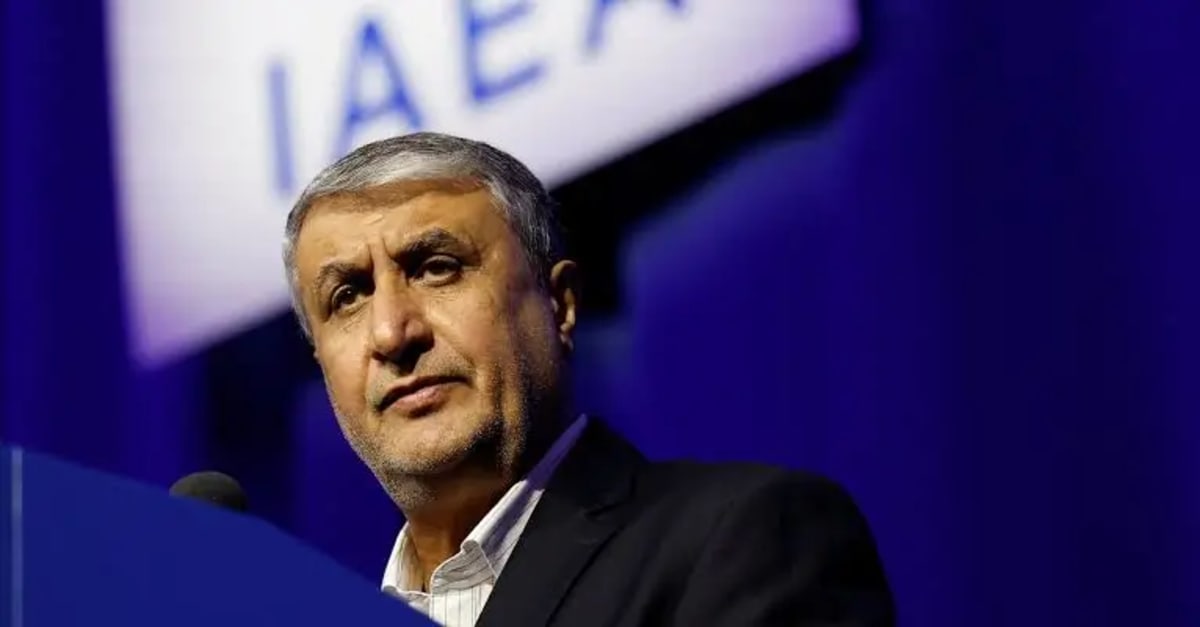

The United States has blocked Iranian nuclear chief Mohammad Eslami from attending the International Atomic Energy Agency’s annual General Conference in Vienna, escalating tensions surrounding Iran’s nuclear programme and international diplomacy.
The move came on September 14 after Washington opposed Eslami’s participation in the week-long meeting of the UN nuclear watchdog.
Editorial Insight
Key Highlights
Important points readers should notice.
Issue/Event: Mohammad Eslami blocked from attending IAEA General Conference
Issue/Event: Mohammad Eslami blocked from attending IAEA General Conference
Authority/Organisation: United States / IAEA / Austrian authorities
Action Taken: Austria denied entry following the rejection of a sanctions waiver
Impact: Iran-US tensions rise ahead of the IAEA's annual meeting
U.S. Energy Secretary Chris Wright said Washington had pressured Austria to deny Eslami entry after his request for a sanctions waiver was rejected.
Eslami was expected to represent Iran at the IAEA General Conference, where representatives from member states are scheduled to discuss issues related to nuclear safety, safeguards and the agency’s wider activities.
Iran strongly condemned the decision, describing it as “political bullying” and accusing Washington of putting pressure on Austria.
Editorial Analysis
Why This Matters
Eslami's exclusion could further complicate diplomatic engagement over Iran's nuclear programme, particularly as international scrutiny of Tehran's nuclear activities remains high.
Tehran also summoned Austria’s chargé d’affaires over the issue, signalling its strong objection to Vienna's decision.
Austria, however, said the UN Security Council had rejected its request for an exemption because there was no consensus among its members.
The dispute has added another diplomatic layer to the already tense relationship between Iran and the United States, particularly over Tehran's nuclear programme and sanctions imposed on Iranian officials.
Eslami's exclusion from the IAEA meeting also comes at a sensitive time for international efforts to address Iran's nuclear activities and maintain diplomatic channels between Tehran and Western governments.