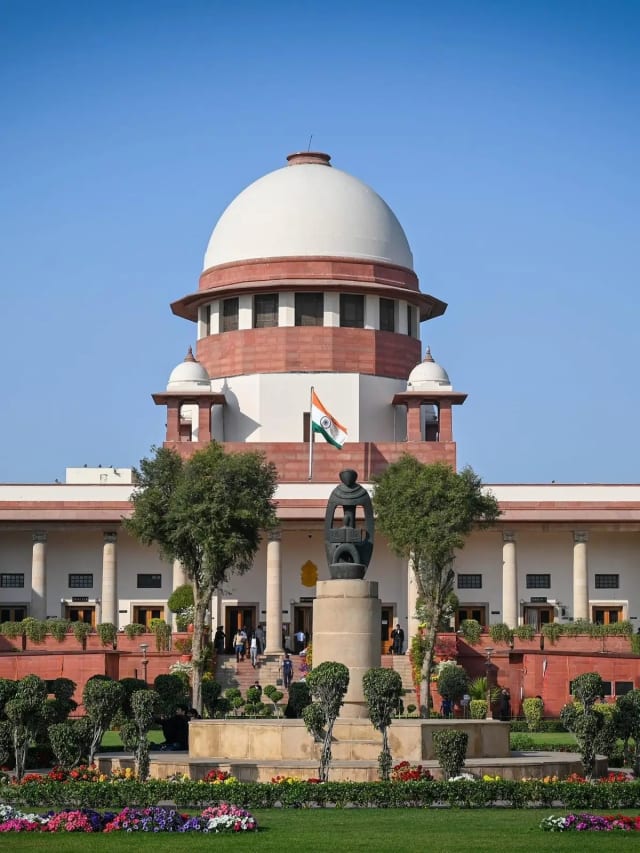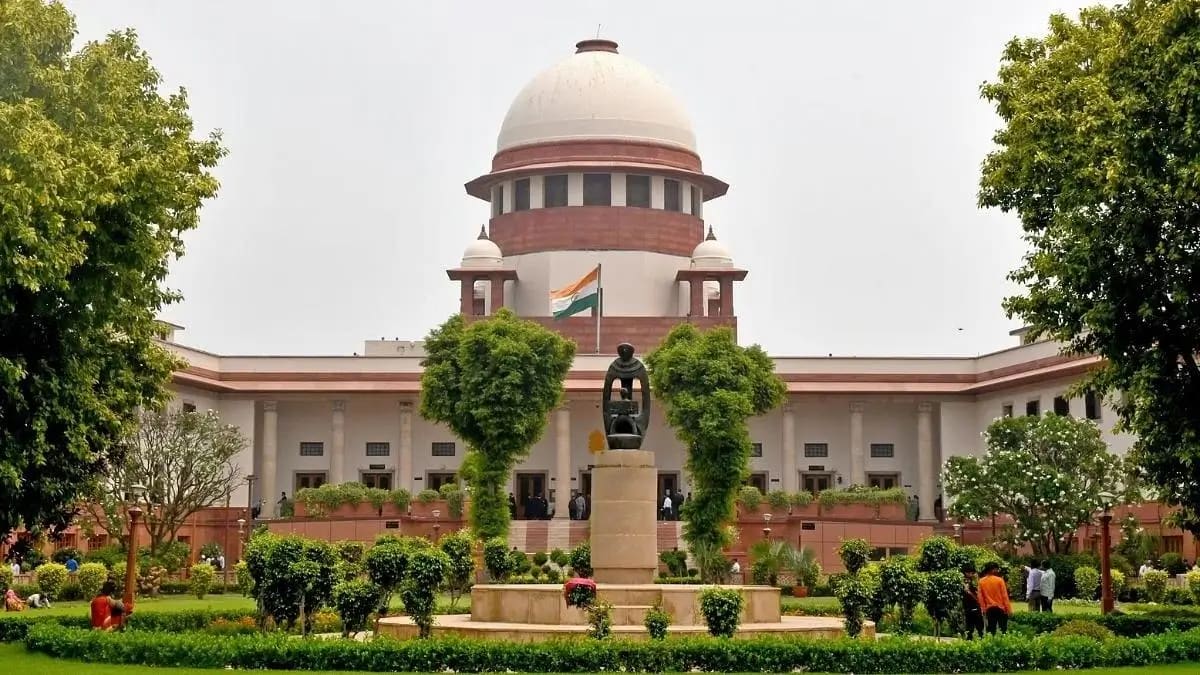

The Supreme Court on Wednesday agreed to examine the constitutional validity of the marital rape exception under India's criminal law framework, taking up a batch of petitions challenging the exclusion of non-consensual sexual acts by a husband against his adult wife from the legal definition of rape.
A three-judge Bench headed by Chief Justice of India Surya Kant, along with Justices Joymalya Bagchi and V. Mohana, is hearing challenges concerning the exception under the Indian Penal Code (IPC) and the corresponding provision under the Bharatiya Nyaya Sanhita (BNS), which replaced the IPC in 2023.
Editorial Insight
Key Highlights
Important points readers should notice.
Issue/Event: Constitutional challenge to the marital rape exception.
Location: Supreme Court of India, New Delhi.
Authority/Organisation: Supreme Court of India and Union Government.
Action Taken: Court directed final hearing after three weeks.
Impact: The constitutional validity of the marital rape exception under the IPC and BNS will come under detailed judicial examination.
The development came after the Centre presented its position before the Court. The government argued that any decision to criminalise marital rape falls within the domain of Parliament and the executive, rather than the judiciary. The Centre also maintained that the issue involves wider legal and social considerations that should be addressed through the legislative process.
The Supreme Court, however, has proceeded with examining the constitutional challenge. The Court has directed that the batch be listed for final hearing after three weeks, on Wednesdays and Thursdays.
The proceedings also involve a challenge connected to a Karnataka High Court judgment, which had allowed rape charges to proceed against a husband accused of sexually assaulting his wife. The Supreme Court has raised questions about whether prosecution for marital rape can continue while the constitutional validity of the statutory exception remains under consideration.
Editorial Analysis
Why This Matters
The proceedings could have a major impact on criminal law, marital rights, bodily autonomy and constitutional protections in India. Any eventual ruling could determine whether the existing marital exception can continue under the country's criminal-law framework.
What the Marital Rape Exception Means
Under the existing legal framework, the marital rape exception prevents certain non-consensual sexual acts by a husband against his adult wife from being treated as the offence of rape. The exception was contained in Section 375 of the IPC and a corresponding provision continues under the BNS. The constitutional challenge before the Supreme Court questions whether such an exclusion is compatible with constitutional guarantees and individual rights.
The case therefore involves both a statutory question and a constitutional question: whether Parliament's decision to maintain a marital exception to the offence of rape can withstand scrutiny under the Constitution.
Centre's Position Before the Supreme Court
During Wednesday's proceedings, the Centre argued that criminalising marital rape is fundamentally a matter for the legislature. The government's position is significant because the Court is examining whether the existing statutory framework itself violates constitutional protections. The Centre has maintained that creating or substantially changing the offence of rape within marriage would have broader consequences for criminal law and public policy. The Court will now consider the competing constitutional and legal arguments during the final hearing.
Karnataka Case Adds Another Dimension
The batch also includes an appeal arising from a Karnataka High Court ruling involving a husband accused of treating his wife as a “sex slave” and allegedly subjecting her to non-consensual sexual acts. The Karnataka High Court had refused to quash the rape proceedings against the husband, taking the view that the marital relationship did not provide an absolute shield against prosecution. The Supreme Court's examination of that matter adds a practical criminal-prosecution question to the broader constitutional challenge. The Supreme Court has questioned whether prosecution can continue in such circumstances while the constitutional validity o