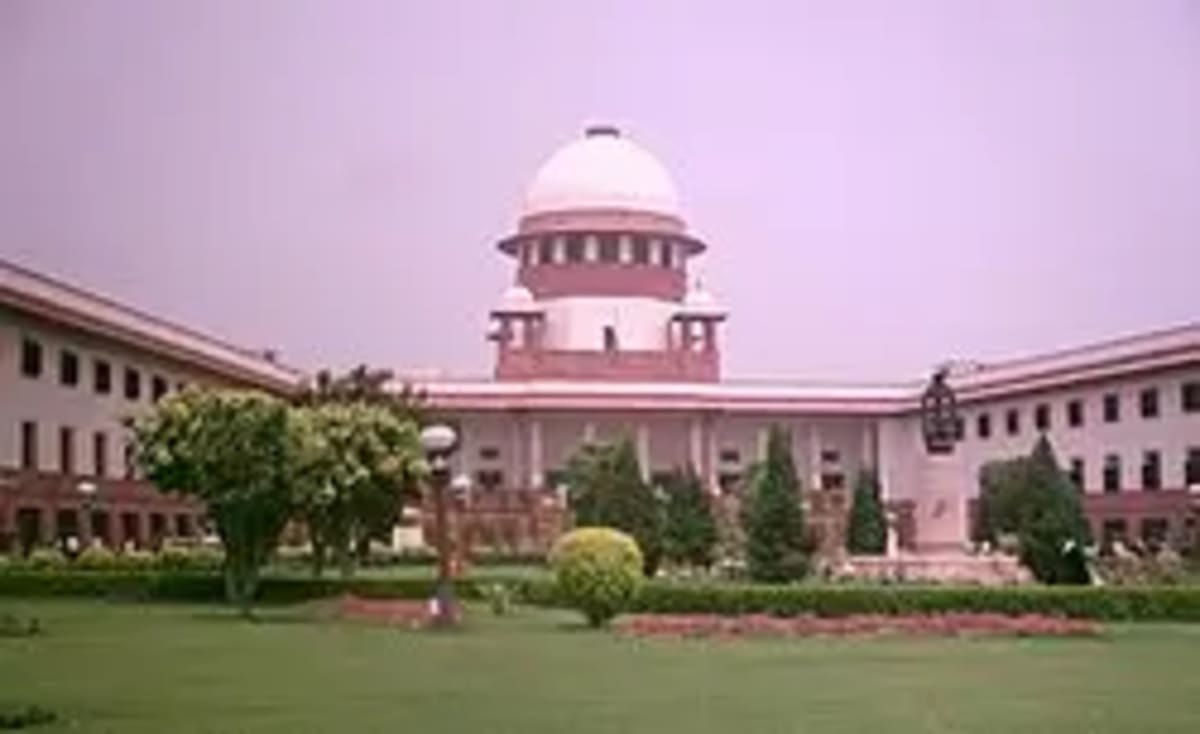

The Supreme Court has ruled that the Bar Council of India (BCI) and State Bar Councils do not have statutory powers to regulate the conduct or take disciplinary action against law students before they are enrolled as advocates.
A three-judge bench headed by Chief Justice Surya Kant and comprising Justices Joymalya Bagchi and V. Mohana delivered the ruling while hearing the controversy involving students of Hyderabad's NALSAR University of Law.
Editorial Insight
Key Highlights
Important points readers should notice.
The ruling draws a clear line between legal education and professional regulation.
Universities retain primary authority over student discipline. The judgment limits regulatory intervention by Bar Councils in law campuses.
The NALSAR controversy has resulted in a broader clarification of BCI's statutory powers.
The Court held that disciplinary authority over law students rests with their educational institution or the competent authority prescribed under the institution's rules and regulations.
The judgment also set aside two communications issued by the BCI in connection with the NALSAR controversy. The communications had followed objections raised by students over the proposed participation of the then Chief Justice of India in the university's convocation.
The Supreme Court clarified that the Advocates Act, 1961, which establishes the BCI, does not confer express or implied power on the BCI or State Bar Councils to discipline students pursuing legal education.
Editorial Analysis
Why This Matters
The ruling provides an important legal clarification for law students and universities across India by defining where disciplinary authority lies before enrolment as an advocate.
The Court further observed that the Bar Councils' disciplinary jurisdiction comes into play after a person is enrolled as an advocate and enters the statutory framework governing the legal profession.