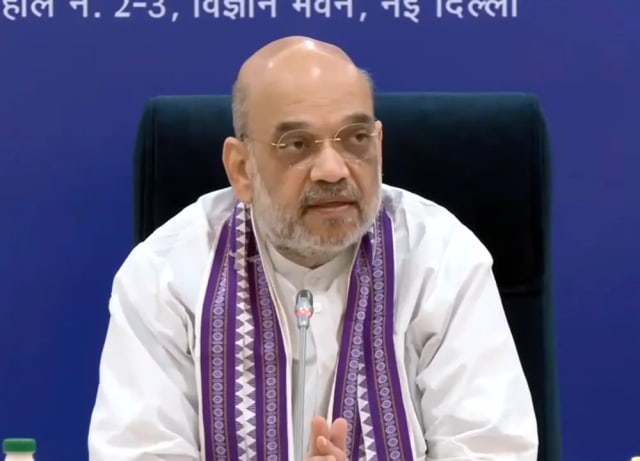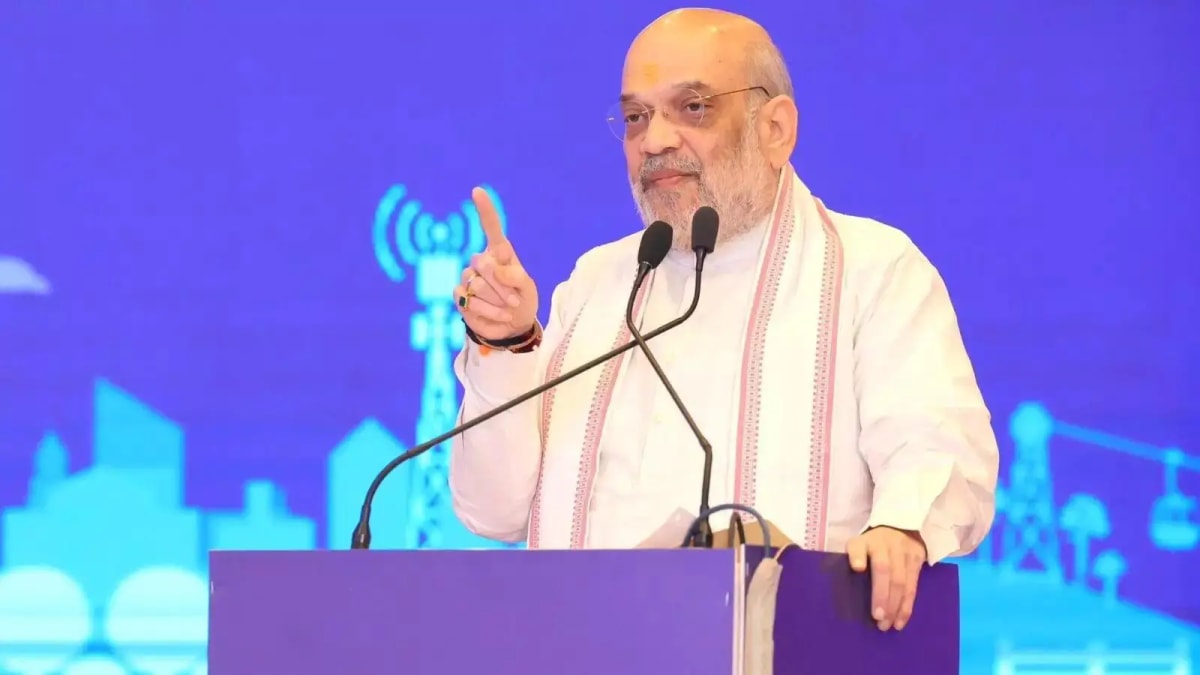

The political row over Vande Mataram intensified on Thursday after Union Home Minister Amit Shah attacked the Congress Working Committee's decision to stick to the first two stanzas of the national song.
Shah described the decision as “anti-national” and accused Congress of repeating what he called its appeasement politics of 1937.
Editorial Insight
Key Highlights
Important points readers should notice.
Amit Shah called Congress's decision “anti-national.”
Congress has reaffirmed its position of singing two stanzas at party events.
Shah accused Congress of appeasement politics.
The dispute is linked to the Congress's 1937 resolution.
The issue has triggered a fresh BJP-Congress confrontation.
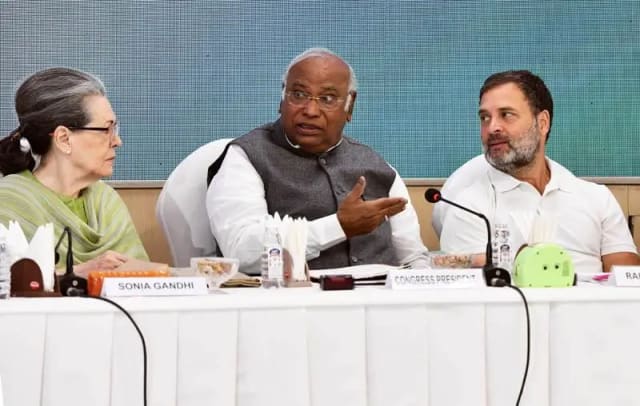
The Congress Working Committee had decided to follow its longstanding position of singing only the first two stanzas at party events. The decision was linked to the party's 1937 resolution on the song.
Shah argued that the Congress's position reflected the same approach adopted before Independence and alleged that the decision had historical consequences.
The Home Minister also said the Narendra Modi government had moved to strengthen the status of Vande Mataram and presented the issue as one linked to national unity.
Editorial Analysis
Why This Matters
Vande Mataram carries deep historical and political significance in India. The latest dispute gives both BJP and Congress another major issue around which to mobilise their supporters, making it a potentially important political flashpoint in the coming days.
The Congress's decision and Shah's remarks have now turned the national song into a fresh BJP-Congress political flashpoint, with both sides taking sharply different positions.