
Google DeepMind has unveiled SL2T, a new artificial intelligence model designed to translate sign language directly into written text.
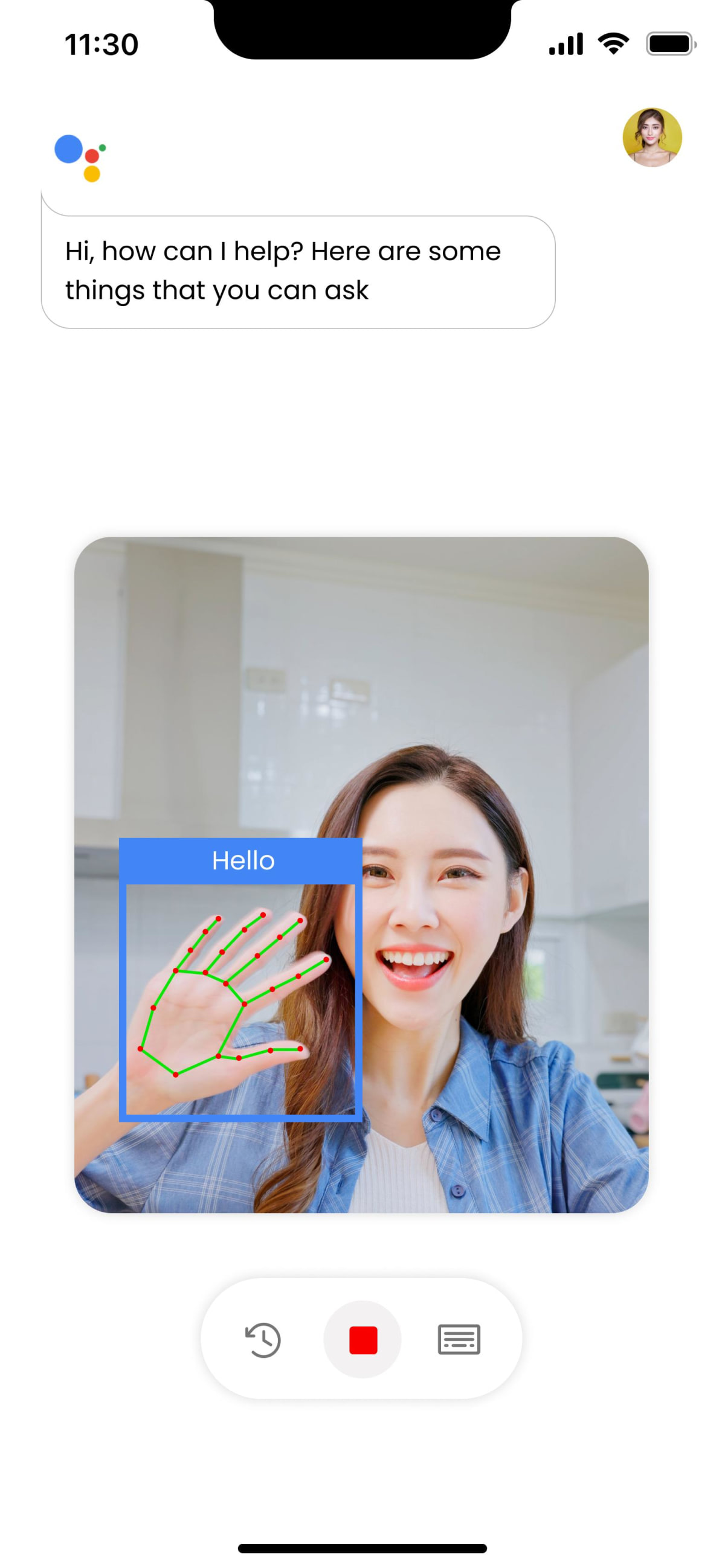
The technology is initially available for American Sign Language to English through Google's Gboard and Live Transcribe applications on the new Pixel 11 series.
Editorial Insight
Key Highlights
Important points readers should notice.
Accessibility moves into everyday AI: Sign-language translation is being built directly into consumer smartphone functions.
Less dependence on typing: Deaf users can sign where hearing users would normally use voice dictation.
A wider technology shift: Google says more devices and additional sign languages are planned.
Instead of typing a message, conducting a search or entering text manually, users can sign to the phone and have their signs converted into written English.
In Live Transcribe, the technology can also allow users to sign their side of a conversation rather than typing responses.
Google said the feature was developed in partnership with members of the Deaf community. The company described it as a sign-language equivalent of voice dictation, designed to make everyday phone interactions more accessible.
Editorial Analysis
Why This Matters
Accessibility moves into everyday AI: Sign-language translation is being built directly into consumer smartphone functions. Less dependence on typing: Deaf users can sign where hearing users would normally use voice dictation. A wider technology shift: Google says more devices and additional sign languages are planned.
The feature is available at no additional cost on Pixel 11 devices.
How Google's Sign-Language AI Works
Sign-language translation is more complicated than simply recognising individual hand gestures.
Sign languages have their own grammar, vocabulary and sentence structures, making them independent languages rather than visual versions of spoken languages.
Google DeepMind's SL2T model is designed to understand these linguistic patterns while also interpreting physical movement.
The system can process signing and translate it directly into written English, allowing users to search the web, draft messages and documents, or interact with Gemini without first typing.
Google says the model was trained across more than 50 sign languages, with more than 100,000 hours of sign-language data, although the current consumer release begins with ASL-to-English translation.
What Makes This Different?
The important change is that Google is not presenting SL2T only as a research demonstration.The model is being connected directly to Gboard and Live Transcribe, giving users practical ways to use signing for everyday digital communication.That means sign-language AI can potentially become part of activities people already perform on smartphones — messaging, searching, writing and communicating.