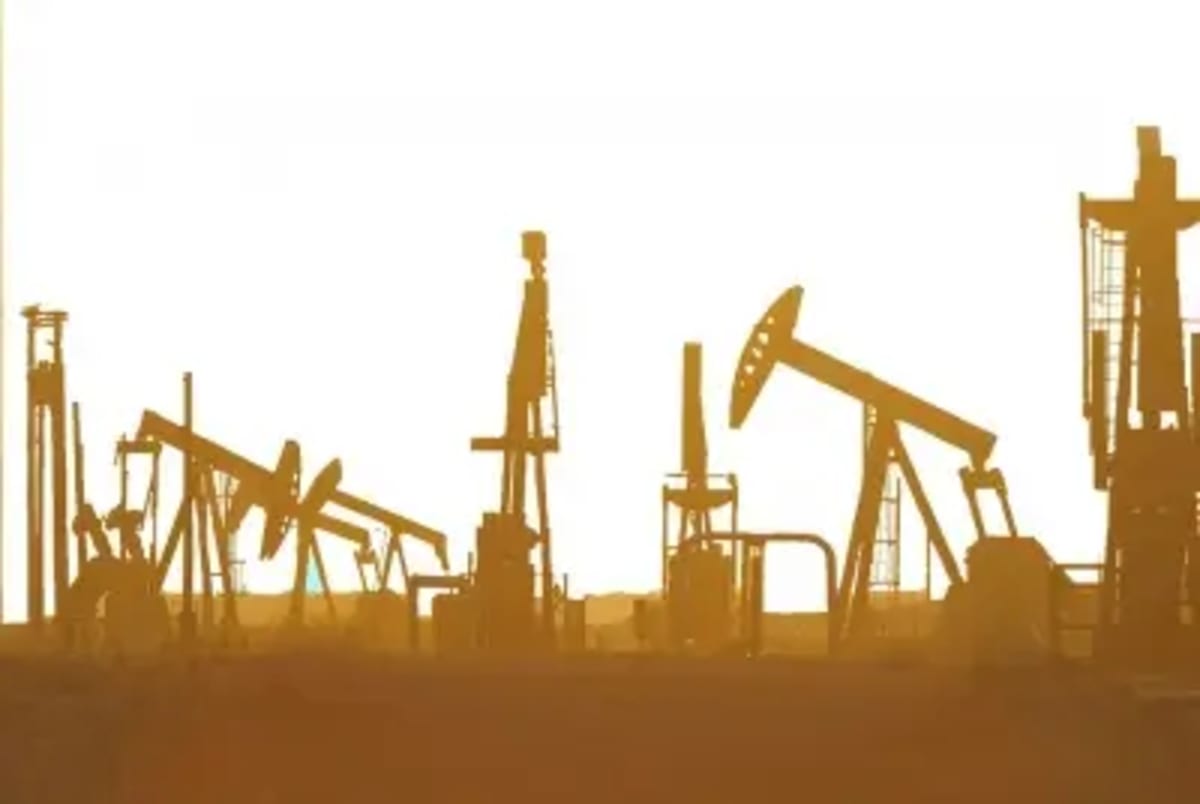

Brent crude has crossed the $100-a-barrel mark, adding fresh pressure to global markets as escalating fighting in West Asia raises concerns over energy supplies and the cost of fuel.
The benchmark crude contract climbed to $100.19 on Wednesday, its highest intraday level since July 24. The move reflects growing market anxiety that prolonged conflict could disrupt oil flows from the region and keep energy prices elevated.
Editorial Insight
Key Highlights
Important points readers should notice.
Issue/Event: Brent crude crossed the $100-a-barrel threshold.
Location: Global energy and financial markets.
Authority/Organisation: Global oil markets / major financial markets.
Action Taken: Investors and markets are reassessing energy supply and inflation risks as regional fighting escalates.
Impact: Higher crude prices are putting pressure on equities and raising concerns over future inflation and borrowing costs.
The oil rally has quickly moved beyond the energy market. Higher crude prices are reviving concerns that more expensive fuel, transport and production costs could feed into inflation and make it harder for central banks to ease monetary policy.
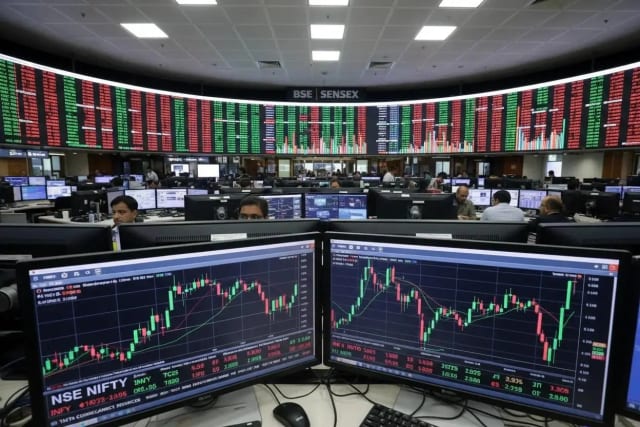
Global equities also felt the pressure. On Wednesday, the S&P 500 fell 0.5%, the Dow Jones Industrial Average declined 0.8% and the Nasdaq dropped 0.6%. European shares also weakened as investors assessed the potential economic impact of higher energy costs.
The latest rise comes against an already unsettled energy backdrop. Brent has gained sharply since early August as hopes of a lasting resolution to the US-Iran conflict have weakened and concerns over regional supply disruptions have increased.
Editorial Analysis
Why This Matters
Oil is deeply connected to the wider economy. A sustained rise in crude prices can increase fuel and transportation costs, while also adding pressure to inflation and business expenses.
For consumers and businesses, the immediate concern is what happens if elevated crude prices persist. Higher oil costs can eventually feed into petrol, diesel, freight, manufacturing and other parts of the economy.