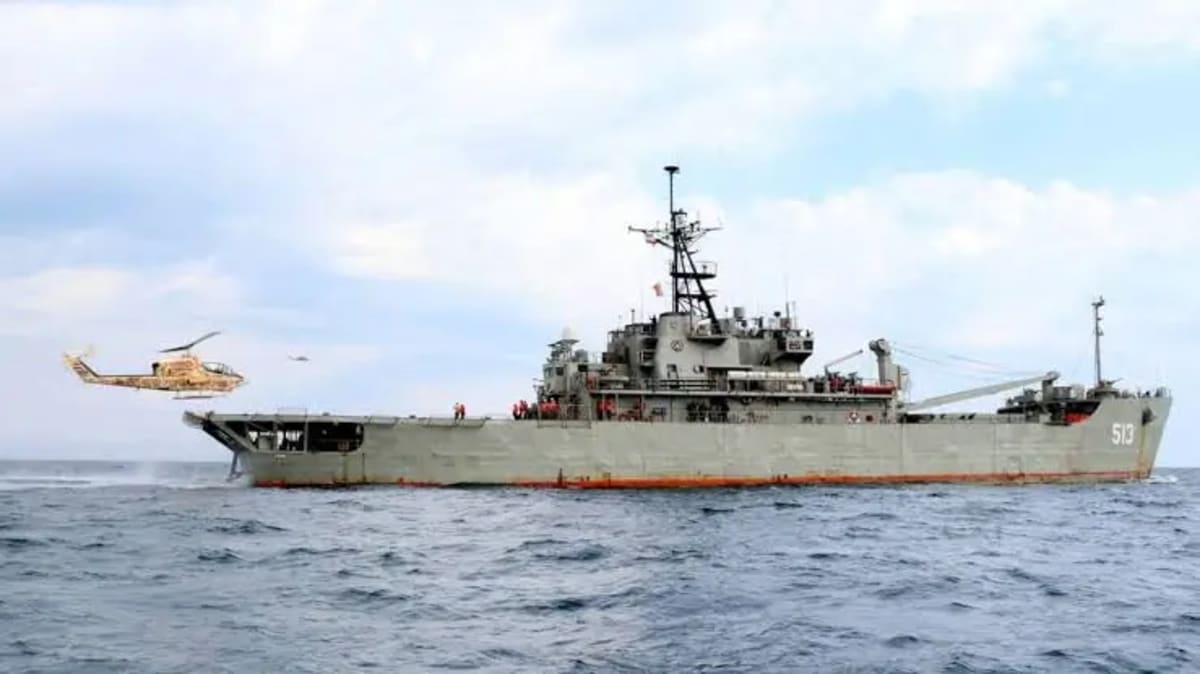

Iran has decided to move from a defensive strategy to what it describes as a “fully offensive” policy, citing the failure of negotiations with the United States to reach a permanent settlement to the ongoing conflict.
A senior Iranian official said Iranian entities had been instructed to prepare for a possible escalation in the Strait of Hormuz and the wider region. The official also warned that Tehran could launch a “timely and precise” military attack aimed at breaking the U.S. naval blockade if diplomatic efforts fail.
Editorial Insight
Key Highlights
Important points readers should notice.
Iran says it is shifting to a “fully offensive” policy.
Tehran has warned of possible escalation around the Strait of Hormuz.
An Iranian official warned of military action if diplomacy fails.
Trump said the U.S. does not want to extend the expired memorandum.
Washington and Tehran remain deadlocked over a broader settlement.
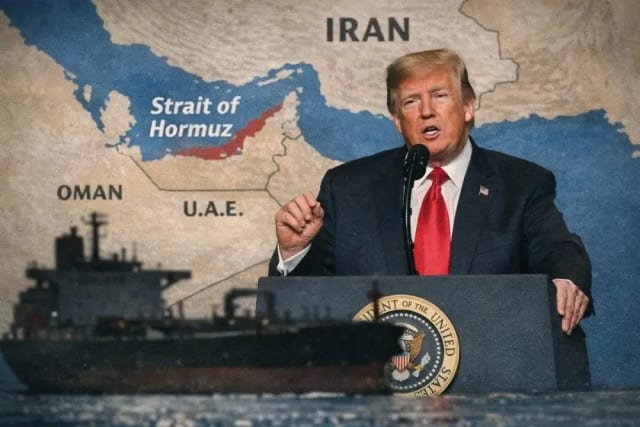
The warning comes as talks between Washington and Tehran remain stalled, with the Strait of Hormuz emerging as one of the most sensitive points in the confrontation.
U.S. President Donald Trump, meanwhile, said Washington was not seeking an extension of the Memorandum of Understanding with Iran, which expired on Monday.
Trump also said Iran would not agree to the deal he believes is necessary to end the conflict and called on Tehran to surrender.
Editorial Analysis
Why This Matters
A shift toward an offensive Iranian posture could significantly increase the risk of confrontation in the Gulf. Any military escalation around the Strait of Hormuz could disrupt commercial shipping and put further pressure on global oil prices, with possible consequences for major energy-importing countries including India.
The latest exchange has raised fears that the diplomatic deadlock could turn into a wider military confrontation, particularly around the strategically important Strait of Hormuz.