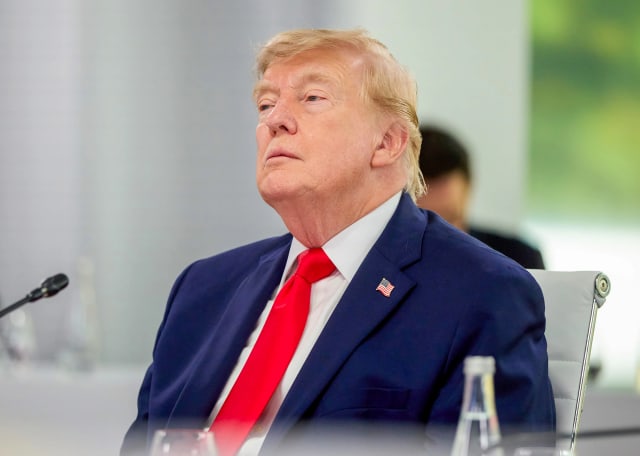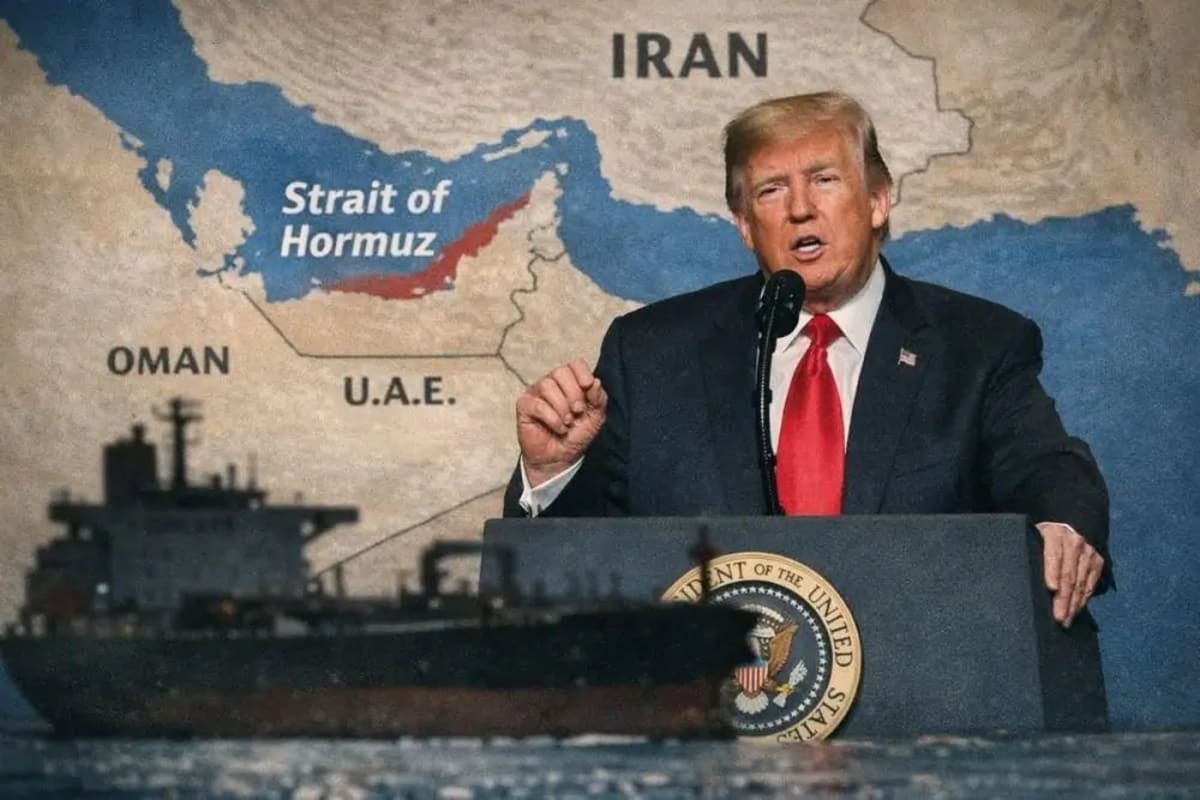

The Strait of Hormuz has once again become the centre of rising tensions after U.S. President Donald Trump threatened Oman while Iran said it had reached an understanding with Muscat on a plan to manage ship transit through the strategic waterway. Trump warned that the United States could take military action against Oman if it “gets in the way” of Washington’s efforts involving Iran. The remarks have put additional pressure on Oman, which has maintained diplomatic channels with both Tehran and Washington.
Iranian Foreign Ministry spokesperson Esmail Baghaei said Tehran and Muscat had reached an understanding on the map of a proposed transit route. The two sides are now working to finalise details for a joint statement.
Editorial Insight
Key Highlights
Important points readers should notice.
Trump has issued a fresh warning to Oman.
Iran says it has reached an understanding with Oman on a transit route.
Tehran and Muscat are finalising details for a joint statement.
Washington disputes Iran’s position on managing the waterway.
Shipping and energy markets remain sensitive to developments around Hormuz.
Under the proposed arrangement, ships would use a route closer to Iran while entering the strait and a route closer to Oman while exiting. Ships would reportedly be allowed to transit without fees or tolls during an interim period.
The proposed arrangement, however, has raised a separate dispute with Washington over the management of the waterway. The United States has rejected Iran’s interpretation of its authority over the Strait of Hormuz.
For Oman, the situation is becoming increasingly sensitive. The country is trying to keep communication open with Iran while also dealing with pressure from its longtime U.S. partner.
Editorial Analysis
Why This Matters
The Strait of Hormuz is crucial to global energy trade. Continued uncertainty could put further pressure on oil prices and shipping costs. For India, any sustained disruption could also affect crude import costs and add pressure to the wider economy.