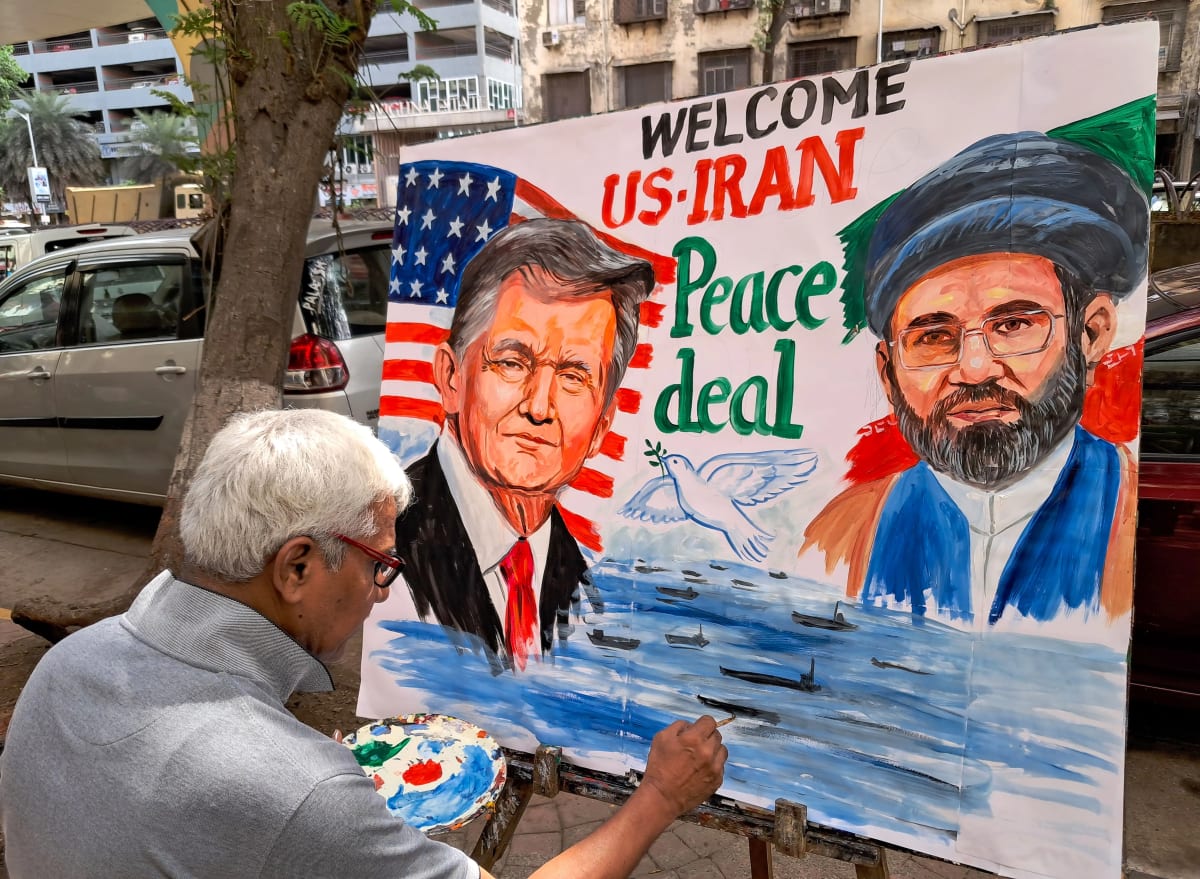

The 60-day negotiating period under the U.S.-Iran Memorandum of Understanding is expiring on August 17, with Washington and Tehran failing to reach a comprehensive agreement and tensions remaining high over the Strait of Hormuz. The deadline was set after the two sides agreed to a framework in June aimed at ending hostilities and negotiating a longer-term settlement.
The memorandum provided a 60-day window for negotiations on a permanent agreement, covering issues including Iran’s nuclear programme, sanctions relief, the future of the Strait of Hormuz and arrangements for ending the wider conflict. The deadline could technically be extended by mutual consent. However, diplomatic efforts have struggled to produce a breakthrough. Reuters reported in July that President Donald Trump had declared the interim agreement “over”, while indirect talks had failed to make significant progress. The Strait of Hormuz remains one of the biggest points of contention. The waterway is a critical route for global energy supplies, and its disruption has raised concerns over oil shipments, shipping costs and wider economic stability. The original memorandum included provisions for restoring commercial vessel traffic and discussions involving Iran and Oman over the future administration and maritime services in the strait.
Editorial Insight
Key Highlights
Important points readers should notice.
60-day deadline: The U.S.-Iran negotiating period expires on August 17. Talks remain deadlocked: Washington and Tehran have not reached a comprehensive agreement.
Hormuz tensions: The Strait remains a major point of disagreement between the two sides. Nuclear issue: Iran’s nuclear programme remains central to the negotiations.
Sanctions relief: Tehran continues to seek relief from U.S. sanctions as part of any long-term settlement. Regional mediation: Oman, Qatar and Pakistan are involved in diplomatic efforts.
Global impact: Prolonged instability around the Strait of Hormuz could affect oil prices, shipping and energy security.
No automatic war trigger: Expiry of the negotiating deadline does not itself mean military conflict will immediately resume.
Despite the diplomatic deadlock, regional mediators have continued efforts to prevent the situation from escalating. Oman, Qatar and Pakistan have all played roles in diplomatic contacts surrounding the U.S.-Iran dispute. Recent negotiations have also focused on arrangements that could help restore shipping through the Strait of Hormuz.
The expiry of the 60-day deadline does not automatically mean that a new conflict will begin. However, the failure to reach a permanent agreement increases uncertainty over the future of the ceasefire framework, Iran’s nuclear programme, sanctions and the security of one of the world's most strategically important waterways.
Editorial Analysis
Why This Matters
Any renewed disruption around the Strait of Hormuz could have consequences far beyond West Asia, particularly for global oil prices, shipping, insurance costs and energy-importing countries such as India.