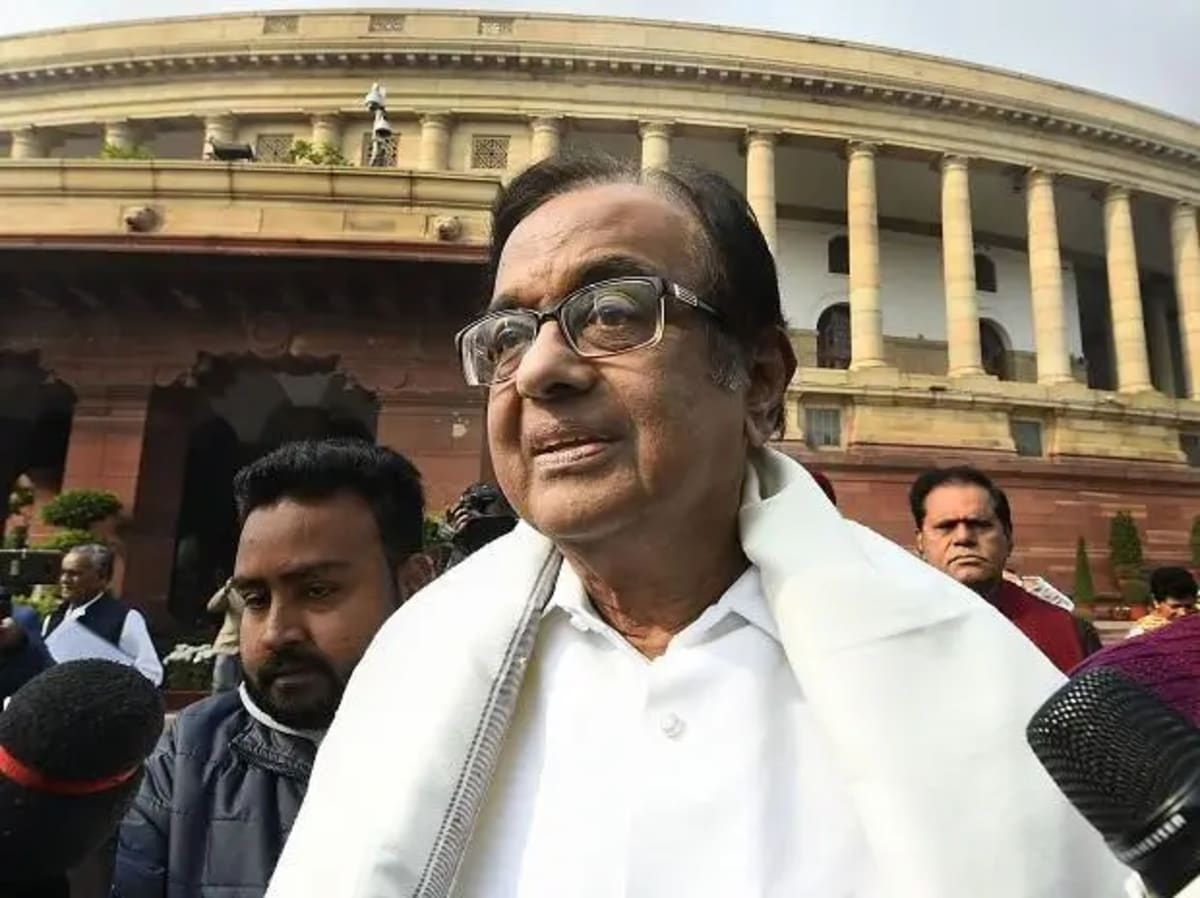

The debate over the future composition of the Lok Sabha has gained fresh political momentum, with senior Congress leader P. Chidambaram calling for the present allocation of parliamentary seats to remain unchanged for another 25 years.
Chidambaram said the Congress position is that the Lok Sabha should continue with its existing 543 seats, while Tamil Nadu should retain its current 39 constituencies. He linked the position to the broader debate over delimitation and the concerns raised by states that have successfully controlled population growth.
Editorial Insight
Key Highlights
Important points readers should notice.
P. Chidambaram has backed a 25-year freeze on the existing Lok Sabha seat allocation. The present Lok Sabha strength is 543 seats.
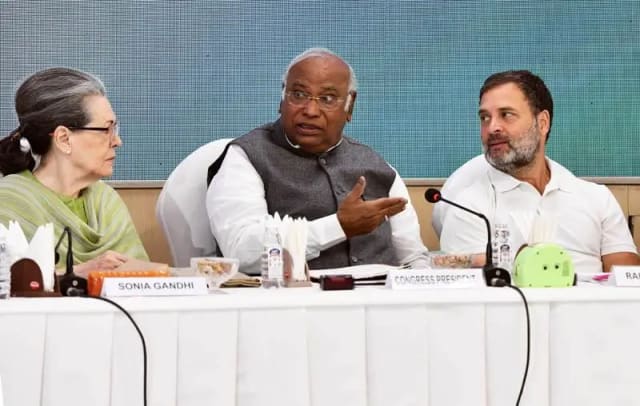
Chidambaram said Tamil Nadu's 39 seats should also remain unchanged. The position aligns with the Congress Working Committee's stated approach.
Tamil Nadu has also taken a position against changes that could reduce its existing parliamentary representation.
The debate centres on the balance between population-based representation and federal equity.
The proposal is a political position and does not itself change the constitutional allocation of seats.
The issue is particularly significant for southern states. Their concern is that a delimitation exercise based on more recent population figures could alter the distribution of Lok Sabha seats between states, potentially reducing the relative parliamentary weight of states that have achieved lower population growth.
Chidambaram's latest position places the Congress clearly behind maintaining the existing allocation for another 25 years rather than immediately changing the number of seats.
The proposal does not itself change the composition of the Lok Sabha. Any alteration to the constitutional framework governing parliamentary representation would require the appropriate legislative and constitutional process.
Editorial Analysis
Why This Matters
Delimitation can affect the political balance between India's states. States in the South argue that they should not be politically disadvantaged because they implemented population-control measures earlier and subsequently experienced slower population growth. At the same time, the principle of representation based on population raises a different question: whether parliamentary representation should continue reflecting demographic changes across India. That makes delimitation one of the country's most consequential federal questions. Any future change could influence the distribution of political representation for decades.
The debate also connects with the wider question of how India should balance population-based representation with the federal concerns of states.
For states such as Tamil Nadu, Karnataka and others in the South, the argument is that population-control policies should not result in a corresponding loss of political representation.
The question is therefore larger than simply whether the Lok Sabha should have 543 or more members. It concerns how representation should evolve in a country where population growth has not been uniform across regions.