
The nation is paying homage to former Prime Minister Atal Bihari Vajpayee on his death anniversary today. Vajpayee, one of India's most prominent political leaders, passed away on August 16, 2018, at the age of 93.
Vajpayee served as Prime Minister on three occasions. His first term lasted 13 days in 1996. He returned as Prime Minister in 1998 and served for around 11 months until 1999, before leading the government for a full term from 1999 to 2004.The former Prime Minister was also one of India's longest-serving parliamentarians. During his parliamentary career spanning more than five decades, he was elected to the Lok Sabha ten times and served in the Rajya Sabha twice.
Editorial Insight
Key Highlights
Important points readers should notice.
India is observing Atal Bihari Vajpayee's death anniversary on August 16. Vajpayee passed away on August 16, 2018.
He served as Prime Minister three times. He was Prime Minister for a full term from 1999 to 2004.
Vajpayee received the Bharat Ratna in 2015. He was elected to the Lok Sabha ten times and the Rajya Sabha twice.
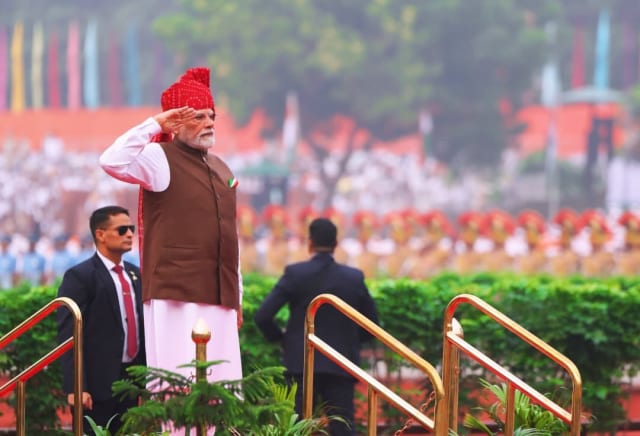
PM Narendra Modi paid tribute to Vajpayee and remembered his vision and public service.
Home Minister Amit Shah highlighted his leadership during the nuclear tests and Kargil War. Lok Sabha Speaker Om Birla remembered his contribution as parliamentarian, orator, journalist and poet. Vajpayee's legacy continues to influence discussions on good governance, democracy and national service.
He was awarded the Bharat Ratna, India's highest civilian honour, in 2015 in recognition of his contribution to public life and the nation.
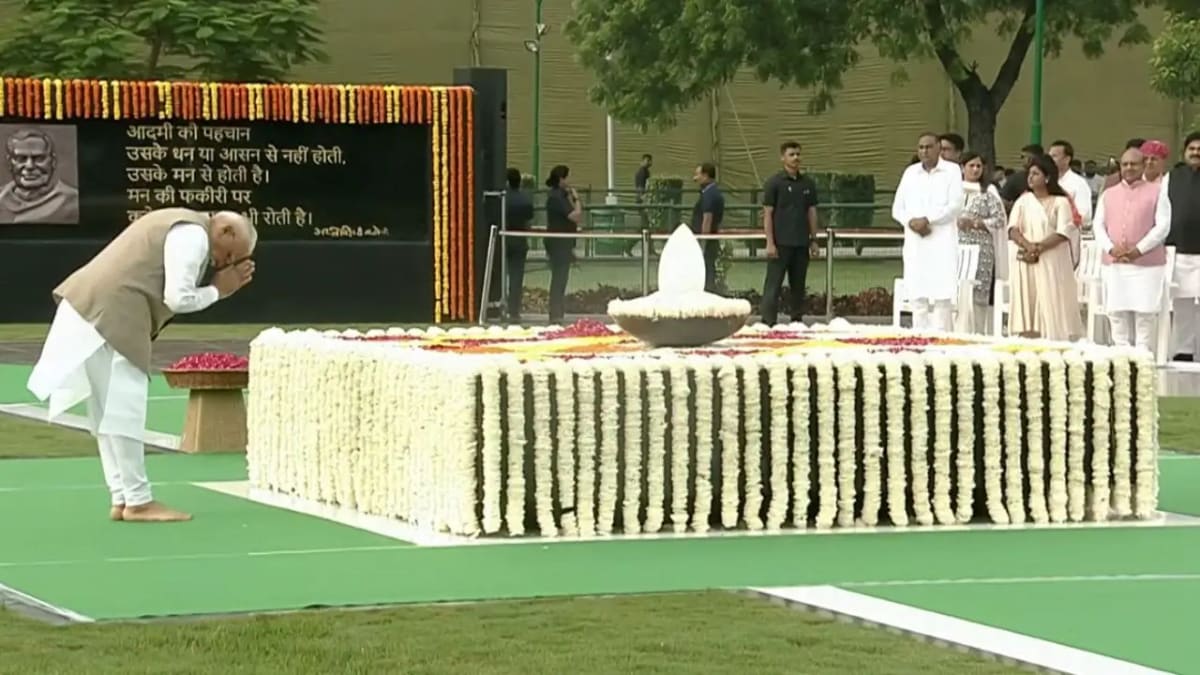
On his death anniversary, dignitaries paid floral tributes at his memorial Sadaiv Atal in New Delhi.
Lok Sabha Speaker Om Birla remembered Vajpayee as a towering figure in Indian politics whose personality combined patriotism, democratic values, sensitivity and exceptional oratory. Birla said Vajpayee would always be remembered not only as a powerful parliamentarian and orator but also as a journalist and poet. He also highlighted Vajpayee's contribution to India's democratic traditions, foreign policy and growing role on the global stage.
Editorial Analysis
Why This Matters
Vajpayee remains an important figure in India's political history because his legacy combines governance, parliamentary politics, diplomacy and public communication. His ability to combine political conviction with parliamentary debate made him a distinctive figure across generations.
According to Birla, Vajpayee's vision was centred on building a strong, self-confident and modern India while remaining rooted in the country's civilisational and democratic values.
Prime Minister Narendra Modi also paid tribute to the former Prime Minister. Modi described Vajpayee as an extraordinary statesman with remarkable vision who dedicated his life to the service of the nation.
The Prime Minister said Vajpayee's words, efforts and leadership continued to inspire generations. He also highlighted Vajpayee's emphasis on good governance and public welfare.
Union Home Minister Amit Shah also remembered the former Prime Minister and described him as a patriot who devoted his life to national service.
Shah highlighted Vajpayee's leadership during significant moments in India's history, including the country's nuclear tests and the Kargil War. He also pointed to Vajpayee's emphasis on value-based politics, Antyodaya and good governance.
For many Indians, Vajpayee's legacy extends beyond his years in office. His parliamentary speeches, poetry, political style and emphasis on democratic dialogue helped create a distinct place for him in India's political history.
Eight years after his passing, tributes from across the political establishment continue to underline the lasting influence of his leadership and ideas.